Updated October 9, 2026. The U.S. Department of State currently lists Israel at Level 3, “Reconsider Travel” (advisory issued August 26, 2026), and marks some areas, including those near the Gaza Strip and the Egypt border, as Level 4, “Do Not Travel.” Check the current advisory and your airline before you book, because conditions can change quickly. Sasha, a licensed guide, follows official guidance and adjusts routes if conditions change.
For the vast majority of travelers, Israel is a safe country to visit, and millions of tourists visit its cities, deserts, and holy sites every year without incident. Like anywhere, safety varies by region, and the day-to-day experience in Jerusalem, Tel Aviv, or the Galilee can look quite different from the situation near the borders. The best approach is simple: stay informed before you travel, follow local guidance once you’re here, and let your guide or hotel help you make sense of anything that changes.
What does day-to-day safety actually look like?
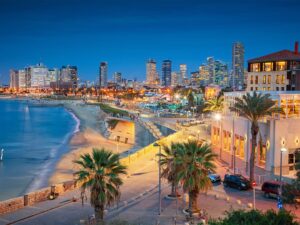
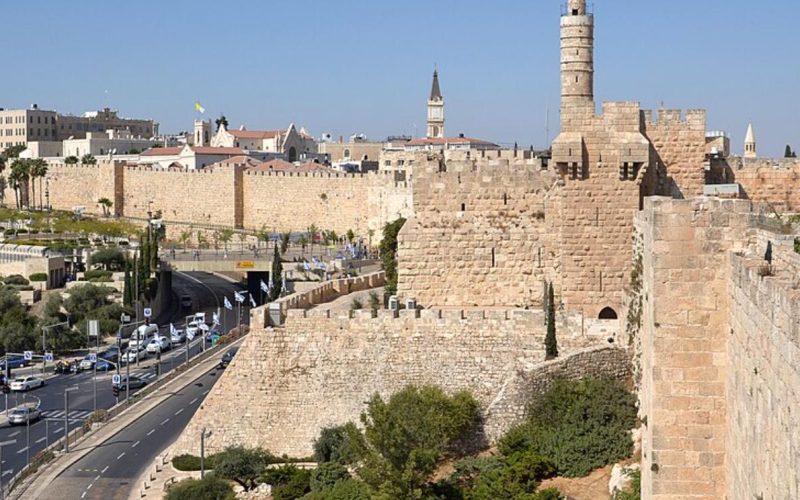
In the cities and regions most visitors spend their time — Jerusalem’s Old City, Tel Aviv’s beaches and boulevards, the Galilee, and the Dead Sea — daily life looks much like it does in any well-developed Mediterranean country. Streets are busy, public spaces have a visible security presence, and violent crime against tourists is rare. Petty theft exists, as it does in any tourist destination, so the usual precautions apply: keep an eye on bags in crowded markets, don’t leave valuables visible in a parked car, and use registered taxis or ride-hailing apps at night.
What about the areas near the borders?
The regions that occasionally see unrest are generally well away from the standard tourist circuit, and official travel advisories are updated frequently and specifically by area rather than as a blanket statement about the whole country. A private guide who works the ground every week is often your best source of real-time, practical information, since an itinerary can be adjusted in advance if a particular area needs to be avoided on a given trip.
How do locals and tour operators handle safety?
Israel has one of the most developed security infrastructures of any tourist destination, from routine bag checks at malls and bus stations to a visible, well-trained police presence at major sites. Hotels, museums, and attractions are accustomed to managing large numbers of visitors safely, and experienced tour operators build flexibility into their planning so that a private tour can adapt quickly if circumstances change.
What practical precautions should you take?
Register with your embassy’s travel program before you go, keep a copy of your passport and travel insurance details somewhere separate from the originals, and save the contact information for your guide, hotel, and embassy in your phone. It’s also worth checking your own government’s travel advisory a few days before departure, since these are typically updated with specific, area-by-area guidance rather than broad warnings.
The bottom line
Millions of travelers visit Israel safely every year, and for most itineraries — Jerusalem, Tel Aviv, the Dead Sea, the Galilee — safety simply isn’t something that gets in the way of a good trip. Staying informed, traveling with a knowledgeable guide, and using ordinary travel common sense will cover almost every situation you’re likely to encounter.
Plan your route with a licensed guide
Sasha Zoiref is a licensed private tour guide in Israel (Ministry of Tourism License No. 11302) and leads tours in English, Russian and Hebrew. Private tours start from $450 per day for the group on foot (up to 6 hours) and from $850 per day for the group with a vehicle (up to 8 hours), with fuel, parking and tolls included on vehicle tours.
See private tours from Jerusalem, private tours from Tel Aviv or contact Sasha to plan your days.